features

[For beginners] Self-study column by TAKISAWA staff: What is lathe? -About tailstock-

Others

2022.12.20

#Beginner

#Human resource development

#Lathe manufacturer


This is the fourth self-study column!
Today, I would like to give an explanation about tailstock.
 
Click here to look back the previous columns.
Click here for “Overview of lathe”:
Click here for “About spindle”:
Click here for “About turret “:

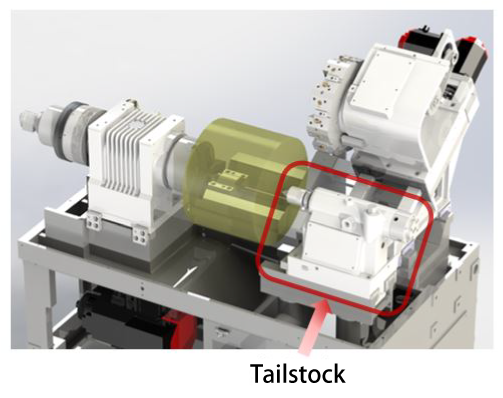
Function of tailstock

A workpiece being bent by machining force or its own weight can be supported not only by a chuck but also by a tailstock equipped with a center from the opposite side.

Fig. 1 Tailstock position

Tailstock type

The three typical types of tailstocks are explained below.
How to apply thrust to a workpiece (force of pressing the center against the workpiece) is different for each type.


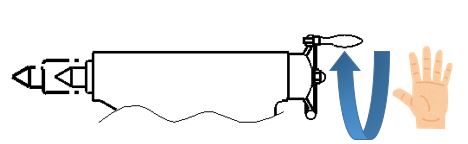
Manual tailstock
The quill is moved in and out by turning the handle.
This type is used as standard in TAKISAWA’s manual lathes.

Fig. 2 Manual tailstock


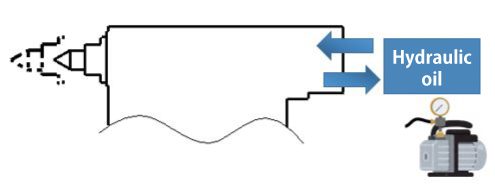
Hydraulic tailstock
The quill is moved forward and backward by hydraulic pressure.
This type is used in many TAKISAWA NC lathes.

Fig. 3 Hydraulic tailstock


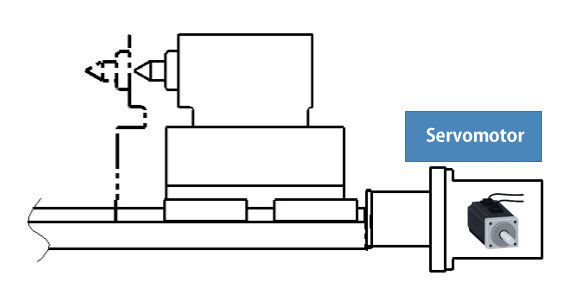
NC servo tailstock
The tailstock is moved by the servomotor.
Forward/backward positions and thrust are commandable in a program.

Fig. 4 NC servo tailstock

Center type

The tailstock is used with a center attached.
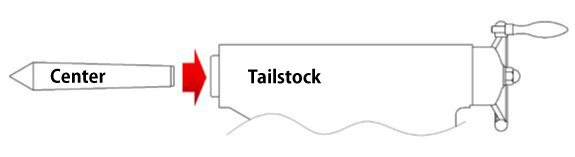
Fig. 5 Tailstock and center


The center attached to the tailstock needs to be selected according to the shape and weight of the workpiece, and the machining method.
The three typical types of centers are explained below.


Fixed center
・For large and heavy workpieces
・For machining with large cutting resistance
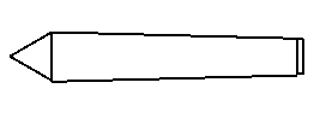
Fig. 6 Fixed center


Live center
・For small and lightweight workpieces
・For machining with small cutting resistance
・Incorporates a bearing and rotates together with a workpiece
⇒No friction at the core of the center
⇒Suppressing thermal distortion
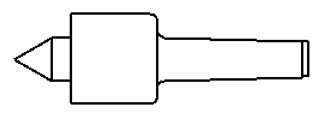
Fig. 7 Live center


Umbrella live center
・For hollow workpieces
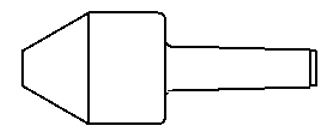
Fig. 8 Umbrella live center

 
The center angle is normally 60°. However, 75° or 90° type may be used for large and heavy workpieces.
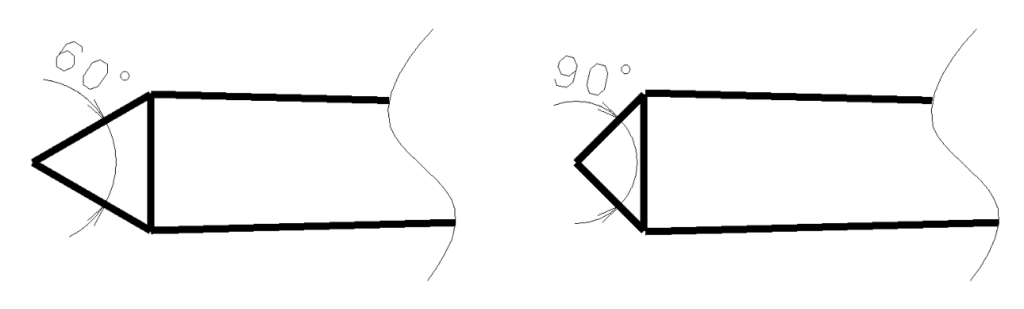
Fig. 9 Center angle

 

How was that?
A tailstock, which is very helpful for machining a long workpiece, is one of the important components of a lathe. The shape of the center and quill thrust are also included in the conditions for good cutting.

Catalog requests/Product purchase